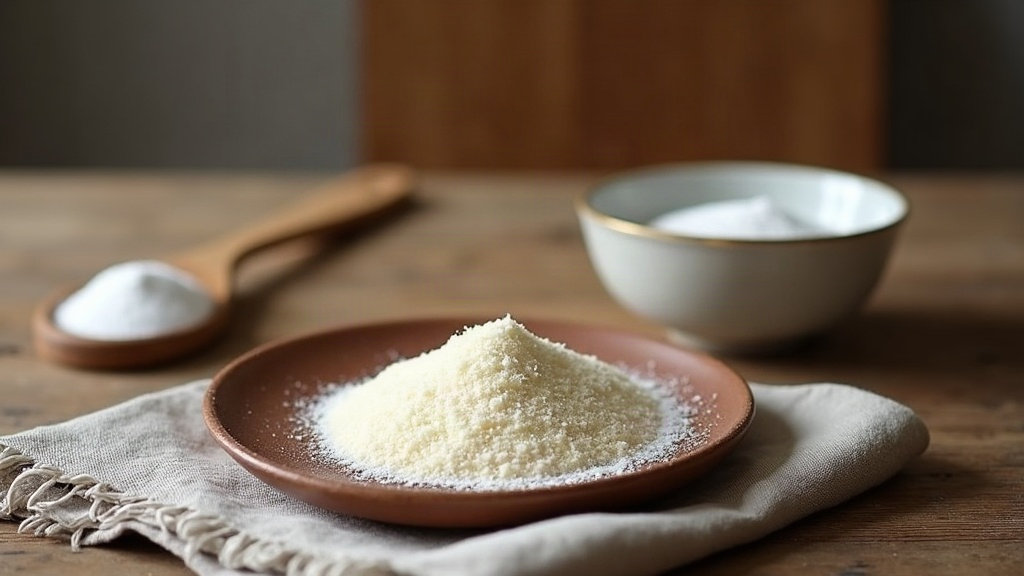
Before assuming this is another shortcut, it helps to slow down and look at what baking soda e gelatina actually represents in traditional kitchens: a study in texture, structure, and fullness — not a promise of transformation.
Most women are taught to expect that the same routines which worked in their twenties will keep working indefinitely. The reality is messier: fullness signals shift, muscle composition changes, skin and joints ask for different inputs, and the diets built for someone else’s decade rarely translate cleanly into this one.
The sense of being satisfied after a meal is regulated by more than willpower — it shifts with hormonal rhythms, sleep quality, and the composition of what's actually on the plate.
Collagen is a structural protein found throughout skin, joints, and connective tissue, and its natural production tends to slow over time — a detail rarely mentioned in conventional diet plans.
Body composition — the ratio of lean tissue to everything else — changes gradually and often without any dramatic sign, which is part of why generic advice feels increasingly disconnected from lived experience.
Most calorie-counting frameworks were designed around averages, not around the specific ways a woman's metabolism, digestion, and appetite evolve across her life.
Metabolic health is one of the most oversimplified topics in wellness media. Here are three common claims placed next to what’s actually understood.
Metabolism is fixed and can’t be influenced by daily habits.
Metabolic rate is influenced by multiple factors including muscle mass, sleep, and activity patterns — it is dynamic, not static.
Eating less is always the fastest path to feeling better in your body.
Chronic under-eating can disrupt hormonal balance and satiety cues, which is why sustainable habits usually focus on quality and consistency rather than restriction alone.
Supplements or single ingredients can override an entire lifestyle.
No single food or ingredient works in isolation; habits function as part of a broader pattern that includes rest, movement, and overall nutrition.
Rather than a rigid protocol, this is a way of thinking about consistency — the same logic many traditional households applied without ever naming it a ‘method.’
Before changing anything, notice current patterns around fullness, energy, and how meals are structured throughout the day.
Consistency tends to matter more than intensity — small adjustments practiced regularly are easier to sustain than dramatic overhauls.
Give any new habit enough time to settle into a routine before drawing conclusions, and adjust based on how the body responds, not on arbitrary timelines.
Long before nutrition science had a name for collagen or satiety, home cooks across many culinary traditions were using gelatin-rich broths and simple pantry staples like baking soda to soften textures, tenderize proteins, and stretch modest ingredients into filling meals. These weren’t wellness trends — they were practical, generational habits shaped by necessity and passed down through kitchens rather than clinics.
The insight worth taking from this tradition isn’t about a miracle ingredient — it’s about how consistent, low-effort kitchen habits were historically woven into everyday eating, long before the wellness industry turned them into a product category.
None of these signs are diagnostic on their own, but they’re commonly discussed in conversations about how a woman’s body communicates change over time.
Feeling hungry sooner after meals, or less satisfied by portions that once felt sufficient, is a commonly reported experience worth noting.
Skin that feels less resilient or takes longer to bounce back is often discussed in relation to structural protein levels.
Mild stiffness in the morning or after long periods of sitting is a frequently mentioned experience among women navigating body changes.
Where weight tends to settle on the body can change over time, independent of any change in overall diet or activity.
A noticeable afternoon slump, even after adequate sleep, is commonly brought up in discussions about metabolic and hormonal shifts.
Nails that chip more easily or grow more slowly are sometimes mentioned alongside conversations about protein intake and structural nutrients.
These are individual accounts shared for illustrative purposes. Names have been changed. Individual results may vary, and these testimonials are not a guarantee of any outcome.
Hydrolyzed gelatin is a form of gelatin that has been broken down into smaller protein fragments, often used in cooking and traditional food preparation for its texture-related properties.
No. This content is educational and explores traditional kitchen habits and general wellness concepts; it does not prescribe a specific diet or program.
This content focuses on satiety, body composition awareness, and traditional habits — it does not make any weight-loss claims.
This content discusses baking soda and gelatin in the context of traditional cooking practices, not as standalone supplements or treatments.
This content is intended for women interested in general wellness education and traditional nutrition habits.
Yes. Always consult a qualified healthcare professional before making changes to your diet or wellness routine.
This page provides educational content and may include links to third-party resources or offers, which are clearly disclosed.
Explore the full explanation and see how a decades-old habit involving baking soda e gelatina is discussed today — without hype, and without shortcuts.
Advertising Disclosure: This is sponsored content created for advertising purposes. It may contain affiliate links, and we may receive compensation for actions taken after clicking those links. This page is intended for informational and promotional purposes.
Content Disclaimer: This content is for educational purposes only and has not been evaluated by the FDA. It is not intended to diagnose, treat, cure, or prevent any disease. Always consult a qualified healthcare professional before making changes to your diet, supplement routine, or wellness habits.
Results Disclaimer: Individual results may vary. Testimonials and personal accounts shared on this page reflect individual experiences and are not a guarantee of any specific outcome.
© 2026 · All Rights Reserved · /contact/